USA:
USA:  India:
 AI Website Optimization Services: The New Standard for High-Performing Websites
Most websites do not fail because they look outdated.
They fail because they stop improving.
A business launches a new website with high expectations. The design looks modern, the pages load properly, and the branding feels polished. Traffic starts coming in, marketing campaigns begin running, and everything appears to be moving in the right direction.
But after a few months, performance slows down.
Conversions plateau. Bounce rates remain high. Visitors browse but do not take action. The website exists, but it no longer evolves with customer behavior, changing expectations, or increasing digital competition.
This is exactly where traditional website optimization begins to break down.
Because modern digital growth no longer depends on having a “good-looking website.” It depends on having a system that continuously learns, adapts, and improves itself over time.
And that is precisely why AI website optimization services are becoming the new standard for high-performing websites.
Quick Answer
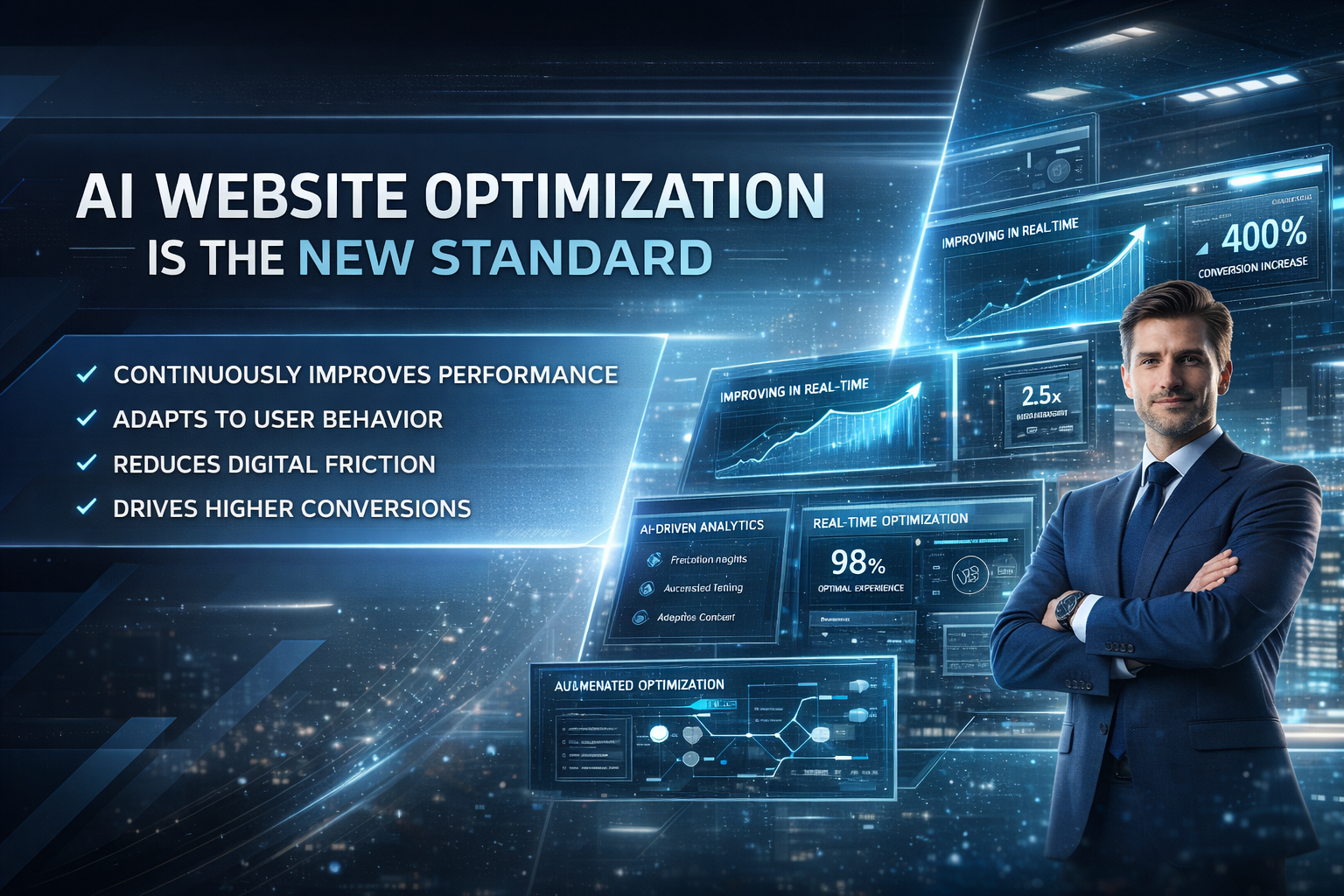
AI website optimization services use intelligent systems, behavioral analysis, automation, and real-time performance insights to continuously improve how websites function, engage users, and drive business results.
Instead of relying on occasional redesigns or manual updates, AI-powered optimization allows websites to evolve continuously based on real user behavior and performance data.
The Problem With Traditional Website Optimization
For years, website optimization followed a reactive model.
Businesses would:
- launch a website
- monitor performance occasionally
- identify issues later
- make manual improvements when needed
The problem is that customer behavior changes far faster than traditional optimization cycles can handle.
User expectations evolve constantly. Competitors improve their digital experiences regularly. Search behavior changes. Conversion patterns shift.
Yet many websites remain largely static after launch.
This creates a growing gap between:
- what users expect and
- what the website delivers.
That gap is where businesses begin losing conversions, engagement, and long-term digital momentum.
Most Websites Already Collect Data. They Just Don’t Use It Well.
This is one of the biggest misconceptions in digital performance.
Most businesses assume they lack data.
In reality, most websites already collect enormous amounts of information:
- visitor behavior
- click patterns
- session duration
- traffic sources
- user journeys
- abandonment points
The real problem is not data collection.
The real problem is interpretation and action.
Traditional systems often rely on manual analysis, delayed reporting, or periodic audits that fail to respond quickly enough to user behavior changes.
AI changes this completely.
Instead of simply collecting data, AI-driven systems can:
- identify patterns automatically
- predict friction points
- detect behavioral trends
- recommend improvements in real time
This transforms website optimization from a reactive process into an intelligent performance system.
The Shift From Static Websites to Intelligent Systems
This is where the industry is fundamentally changing.
Traditional websites behave like finished products.
AI-optimized websites behave more like adaptive systems.
That difference is extremely important.
An intelligent website does not simply “exist” online. It continuously evaluates how users interact with the platform and refines the experience accordingly.
This can include:
- optimizing conversion paths
- improving user flow
- refining content structure
- personalizing experiences
- reducing friction during navigation
The result is a website that becomes progressively smarter over time rather than gradually becoming outdated.
Why High-Performing Websites Now Depend on AI Optimization
Digital competition in markets like New Zealand is becoming increasingly performance-driven.
Businesses are spending more on:
- paid advertising
- SEO
- content marketing
- social media campaigns
But traffic alone is no longer enough.
If the website experience itself is not optimized intelligently, businesses end up paying more to acquire visitors who never convert.
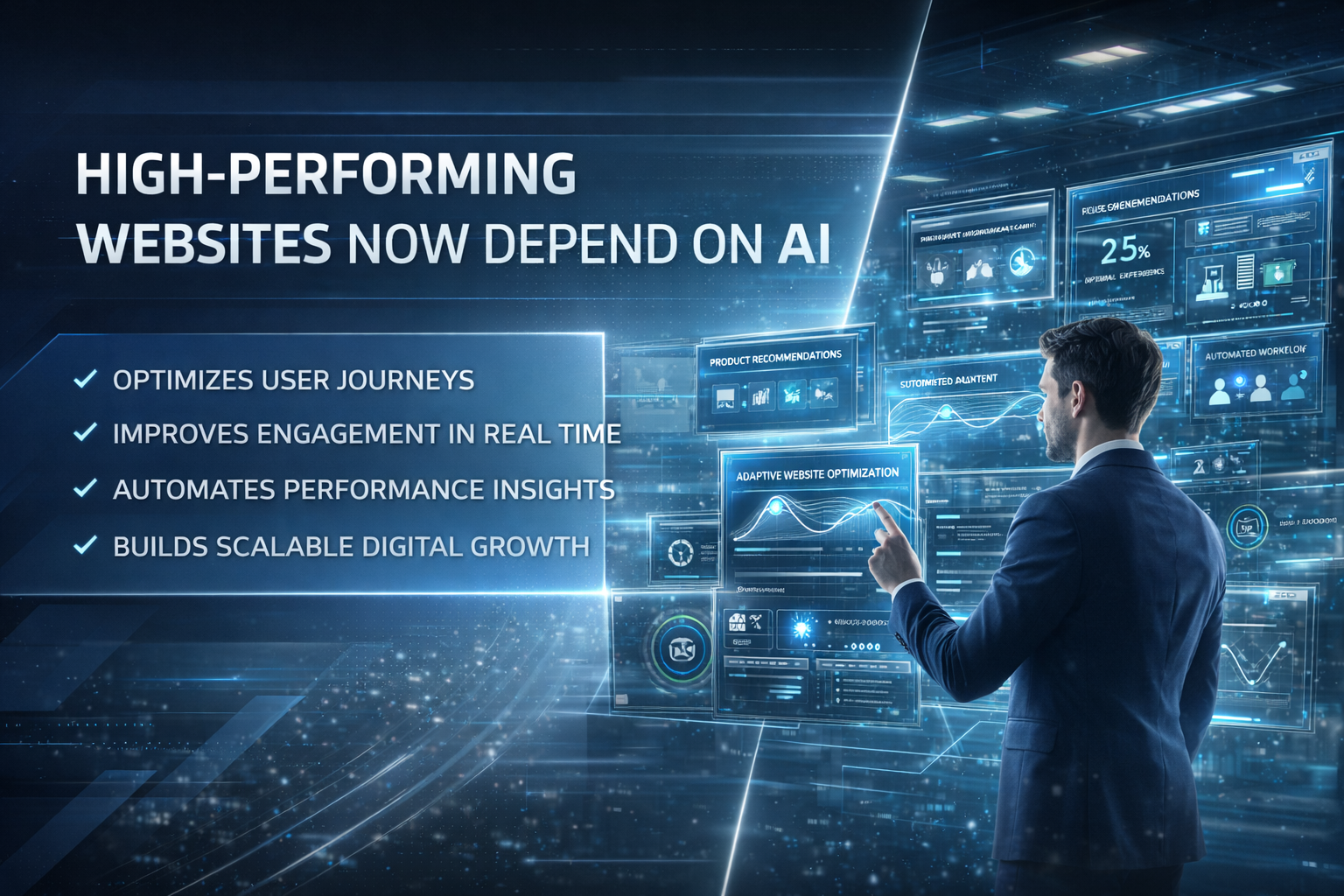
This is why AI website optimization services are becoming essential.
They help businesses maximize the value of existing traffic by improving:
- engagement
- usability
- conversion potential
- user retention
In many cases, improving website performance generates better ROI than simply increasing advertising spend.
How AI Website Optimization Actually Works
One reason many businesses misunderstand AI optimization is that they assume it only involves automation tools.
In reality, modern AI optimization systems work on multiple levels simultaneously.
They analyze user behavior patterns in real time.
They identify where users hesitate, disengage, or leave the website.
They detect which layouts, messaging structures, or interaction flows produce stronger engagement.
And over time, the system continuously refines these elements based on live performance signals.
This creates a much more adaptive digital environment compared to traditional optimization approaches that rely heavily on manual testing cycles.
The Real Advantage Is Continuous Improvement
Perhaps the biggest advantage of AI-powered optimization is consistency.
Traditional optimization often happens in phases:
- redesign projects
- quarterly updates
- occasional audits
AI-driven systems create continuous optimization loops.
That means the website is always learning from:
- user interactions
- conversion behavior
- engagement patterns
- performance signals
This allows businesses to improve digital performance incrementally and consistently rather than waiting for major redesigns every few years.
And in highly competitive markets, small ongoing improvements often create significant long-term advantages.
Why Businesses Still Struggle With Website Performance
Even with access to better tools and technologies, many businesses continue facing poor website performance because they focus on the wrong metrics.
They prioritize:
- traffic volume
- visual appearance
- launch speed
while underestimating:
- behavioral intelligence
- user experience refinement
- conversion optimization systems
A visually attractive website can still perform poorly if users experience confusion, friction, or inconsistent journeys.
This is why optimization should never be treated as a surface-level design adjustment.
It is a performance strategy.
The Future of Website Optimization Is Predictive
The next phase of AI website optimization is moving beyond reactive analysis.
It is becoming predictive.
Future-ready websites will increasingly:
- anticipate user intent
- personalize experiences dynamically
- adapt interfaces automatically
- optimize content delivery in real time
This means websites will no longer simply respond to user behavior after problems appear.
Instead, intelligent systems will begin preventing performance issues before they significantly impact conversions or engagement.
That shift will redefine what businesses consider a “high-performing website.”
Why NZ Businesses Are Beginning to Prioritize AI Optimization
Businesses across New Zealand are operating in an increasingly digital-first environment where customer expectations continue rising rapidly.
Users expect:
- faster experiences
- relevant content
- intuitive navigation
- personalized interactions
At the same time, customer acquisition costs are increasing, which means businesses cannot afford inefficient digital systems.
AI website optimization services help address this challenge by allowing businesses to improve website performance more intelligently and efficiently without relying entirely on costly redesign cycles.
This is particularly valuable for:
- startups
- SMEs
- growing eCommerce brands
- service-based businesses
that need scalable digital performance without excessive operational costs.
How ZTS Infotech Pvt Ltd Approaches AI Website Optimization
ZTS Infotech Pvt Ltd focuses on building AI-driven digital systems designed around performance, scalability, and long-term optimization.
Instead of treating websites as static deliverables, the approach emphasizes:
- intelligent optimization
- user-focused experiences
- scalable architecture
- conversion-driven systems
This includes services such as:
- AI website engineering
- website optimization
- WordPress development
- eCommerce solutions
- Shopify development
- full-stack development support
The objective is not simply to launch websites, but to create systems that continue improving business performance over time.
Frequently Asked Questions
What are AI website optimization services?
They use AI-driven systems to improve website performance, user experience, and conversions continuously.
How is AI website optimization different from traditional optimization?
Traditional optimization is manual and periodic. AI optimization continuously analyzes and improves performance in real time.
Can AI improve website conversions?
Yes. AI helps identify user behavior patterns and optimize journeys that improve engagement and conversions.
Are AI website optimization services suitable for small businesses?
Yes. They help SMEs improve digital performance more efficiently and competitively.
Does AI website optimization replace human expertise?
No. AI supports optimization, but strategy and business decision-making still require experienced professionals.
Why are high-performing websites using AI optimization?
Because AI allows websites to adapt faster, optimize continuously, and respond intelligently to user behavior changes.
Can AI website optimization improve SEO?
Yes. Faster performance, better engagement, and improved user experience can positively impact SEO outcomes.
Are AI-optimized websites future-ready?
Yes. They are designed to evolve continuously based on data, user behavior, and changing digital trends.
Final Thoughts
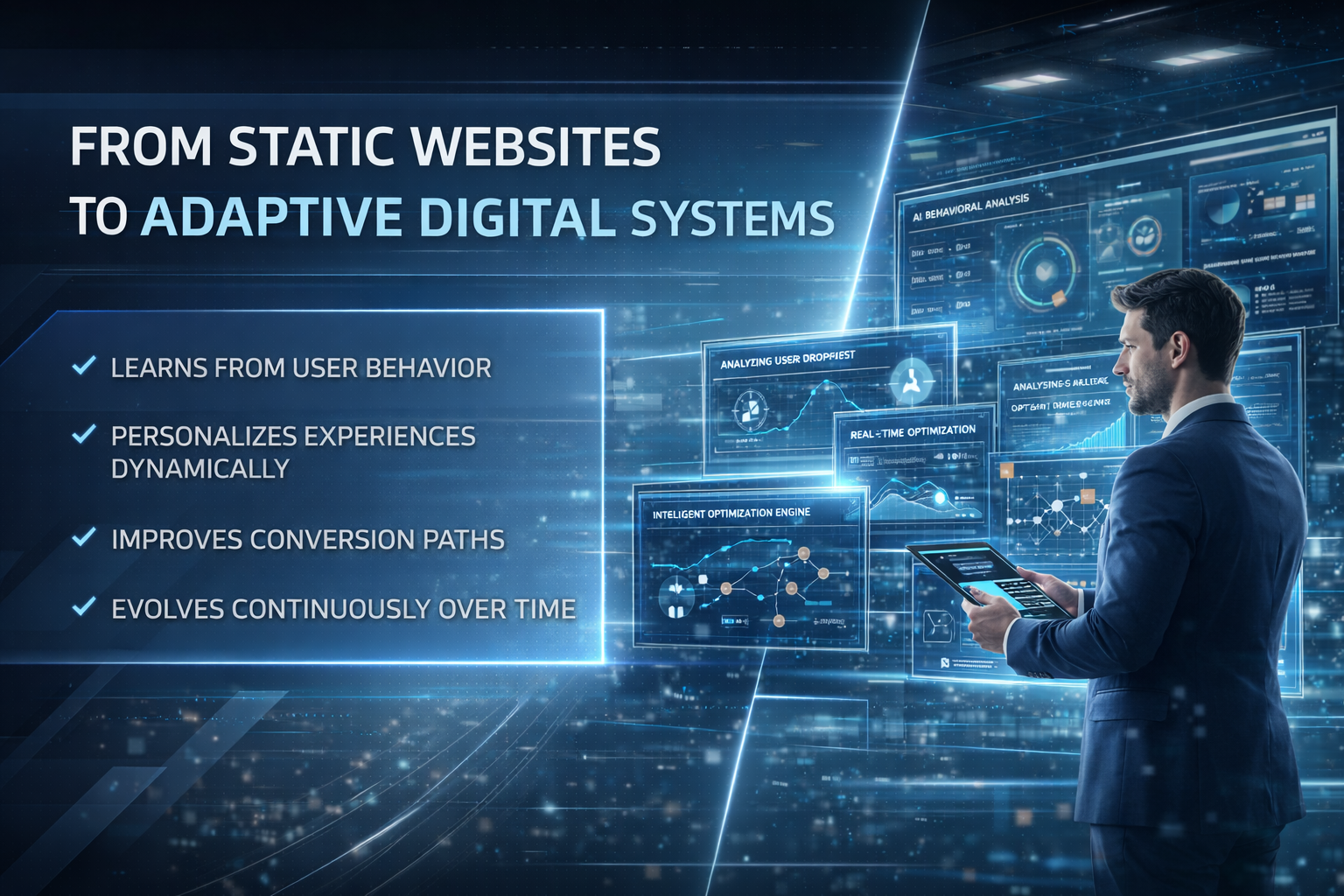
The digital landscape is moving away from static websites and toward intelligent systems capable of continuous improvement.
That transition is no longer optional for businesses that want to remain competitive online.
AI website optimization services are becoming the new standard because they solve a growing problem that traditional optimization methods struggle to handle:
the inability to adapt quickly enough to changing user behavior and digital expectations.
The businesses that perform best over the next few years will not necessarily be the ones with the most visually impressive websites.
They will be the ones operating the most intelligent, adaptive, and performance-focused digital systems.
And that shift has already begun.
-

Writen by Anirban Das