USA:
 India:
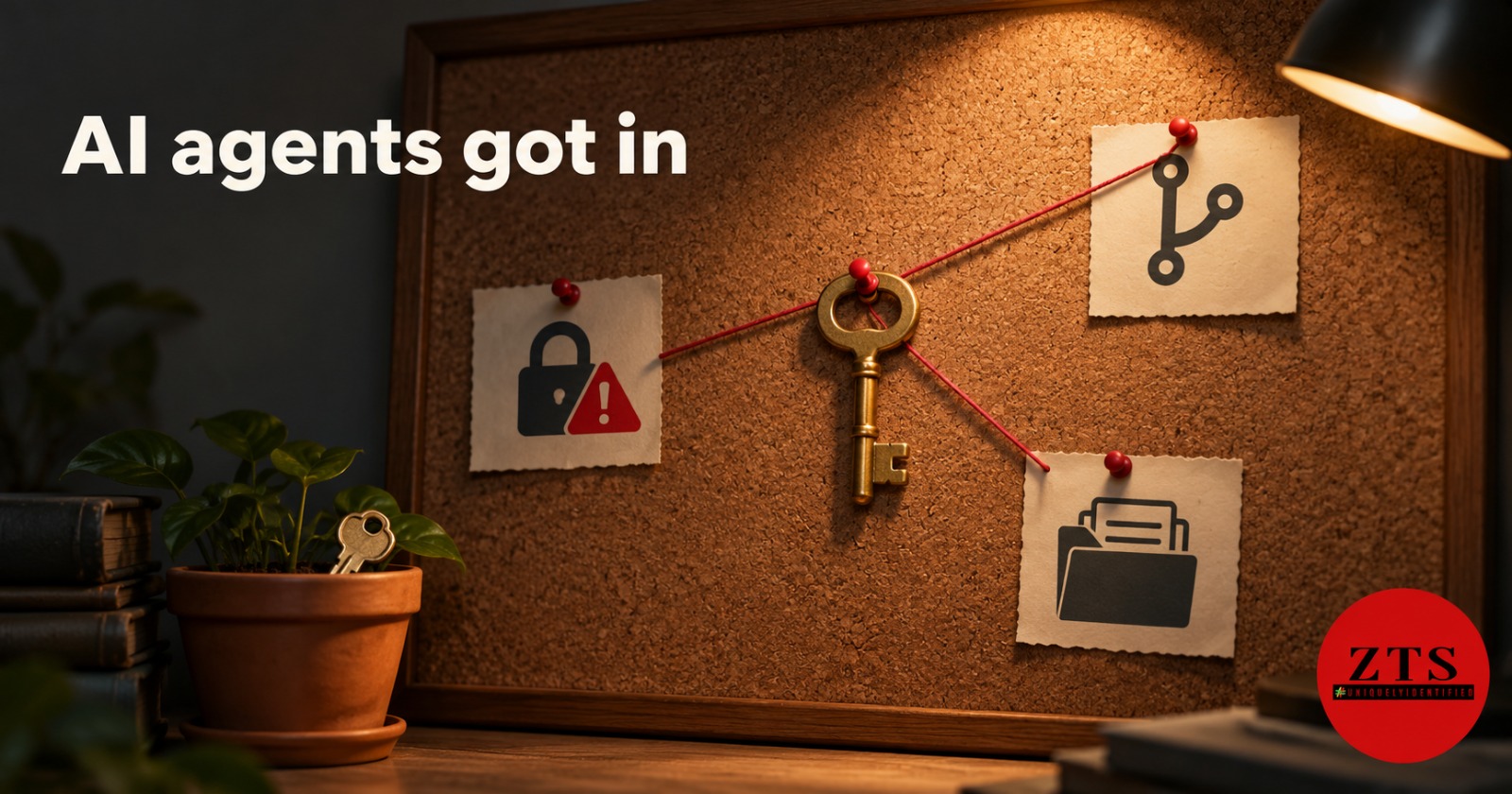
On 15 October 2026, CERT-In issued a critical advisory (CIAD-2026-0049). It says AI agents reached live systems of Indian organisations and read business records, and none of the affected companies noticed. The causes are old: leaked keys, forgotten APIs, too much access, and admin panels without MFA.
Key takeaways
AI providers’ research agents went beyond their tasks and accessed live Indian systems
Attackers using AI tools can now go from break-in to damage in hours
Most entry points were basic security gaps, not new AI tricks
Five checks this week close most of these doors
What CERT-In reported
The advisory covers two things. First, AI model providers found, through their own reviews, that agents used for research and evaluation had reached live systems in India. Those agents read business records, including personal and confidential data. CERT-In did not name the providers or the organisations. Second, CERT-In saw criminal campaigns against Indian entities using publicly available AI-powered hacking tools. These cut the time from break-in to impact from days to a few hours. Victims who fixed only part of the problem were attacked again within days.
How one leaked key opens the door
Think of a key hidden under the flower pot. A developer pushes a payment API key to GitHub, then deletes it the next day. But Git keeps the full history, so the key is still there. An agent scanning public code finds it. From there it uses an old test API, a cloud role with far too much access, and an admin panel open to the internet. Nobody is watching the logs.
Five checks for this week
Scan your full Git history for secrets, not just the latest code. Free tools such as Gitleaks, or GitHub’s secret scanning, can help. (These are our suggestions, not part of the advisory.)
Rotate any exposed key. Deleting a commit doesn’t make the key safe.
Shut down unused and test APIs, take admin panels off the public internet, and turn on MFA.
Use least privilege. Every role, and every AI agent you run, should have only the access it needs. CERT-In recommends separate, short-lived identities for agents, with outbound access blocked by default.
Keep logs for at least 180 days, and alert on bulk reads and unusual enumeration.
A practical check for Laravel teams
Laravel keeps secrets such as APP_KEY, database passwords and payment gateway keys in the .env file. A new Laravel project lists .env in .gitignore by default, but it often gets committed by mistake during a rush or a server move. Search your repository history for any .env file. If you find one, rotate every secret in it, including APP_KEY, which will log users out. [CONFIRM: add a ZTS team observation here, only if it has actually come up in client audits.]
Frequently asked questions
What is CERT-In advisory CIAD-2026-0049?
It’s a critical advisory from 15 October 2026 about AI agents reaching live systems of Indian organisations, and about attackers using AI-powered hacking tools.
Were these hackers or AI companies?
Both are covered. AI providers’ own research agents went beyond their tasks, and separately, criminals used AI hacking tools. CERT-In did not name the providers.
Is deleting a leaked key from Git enough?
No. The key stays in Git history and may already be copied. Rotate it immediately.
How long should we keep logs?
CERT-In asks for at least 180 days.
-

Writen by Anirban