USA:
 India:
Use GPT-6.2 Sol for most everyday work, including email, CRM updates, agents and many coding fixes. Use GPT-6.2 Astra for the hardest, highest-stakes work, like client proposals with slides and spreadsheets that must follow your template. Sol costs a quarter of Astra’s price per token.
Key takeaways
OpenAI released Astra and Sol on 17 November 2026
Astra costs $8 / $40 per million tokens (input / output), about 20% cheaper than before. Sol costs $2 / $10
OpenAI reports Sol within 0.5 points of Astra on one coding benchmark, at about a fifth of the cost
Both are rolling out in ChatGPT Plus, Pro, Enterprise and Edu, Codex and the API
Three jobs, two models
Picture a consulting firm in Singapore on a Monday morning.
Client proposal: Astra. The slides and a spreadsheet must follow the company template. OpenAI positions Astra as its frontier model and says it’s better at template-following slides, sheets and documents.
Inbox and CRM: Sol. OpenAI describes it as an efficient model for everyday work and multi-step agents.
Client-portal bug: Sol too. On FrontierCode 2.0, OpenAI reports Sol within half a point of Astra at about a fifth of the cost.
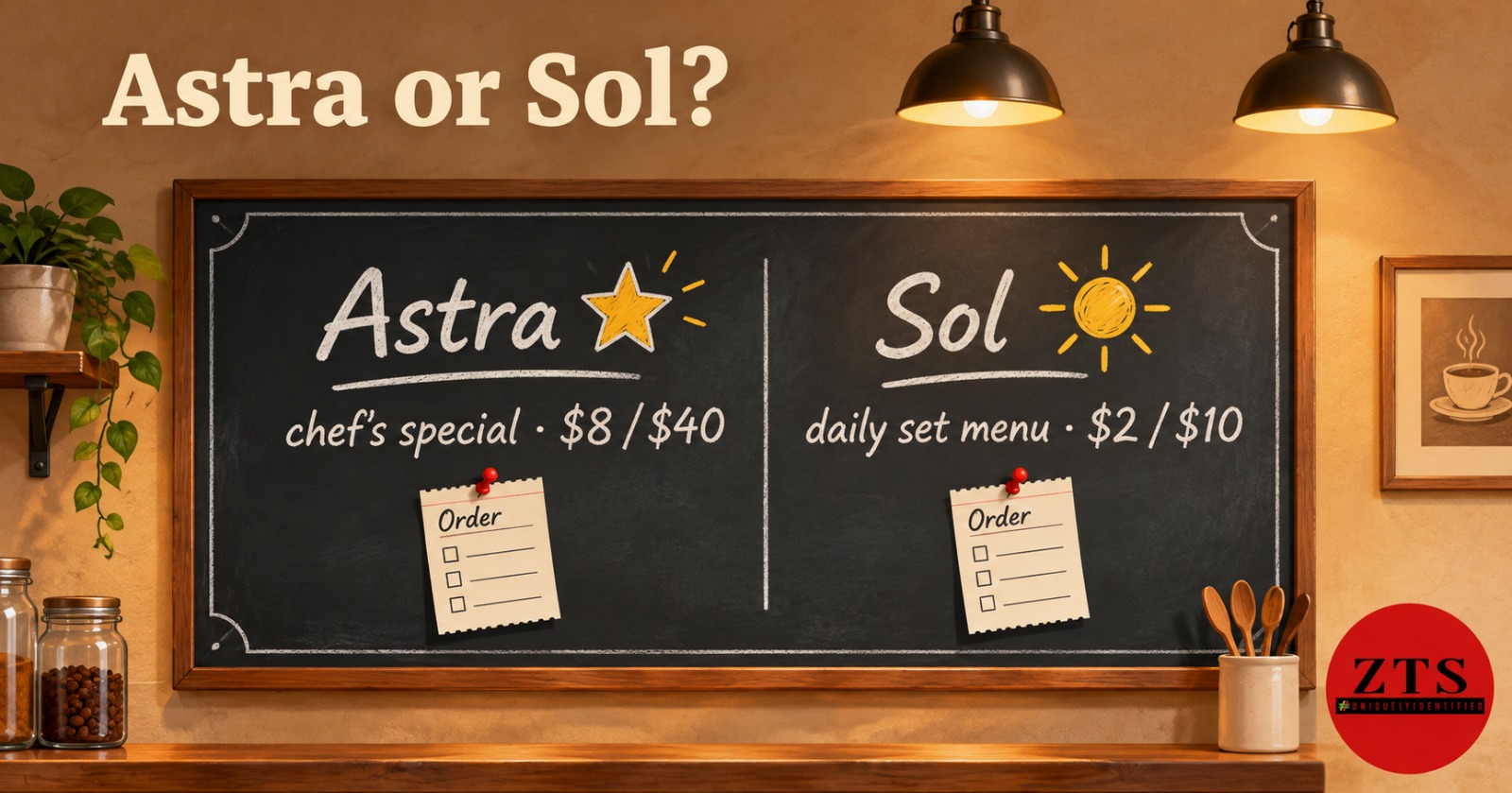
A simple way to remember it: Astra is the chef’s special for occasions that matter, and Sol is the daily set menu.
What it costs
Model Input / 1M Cached input / 1M Output / 1M
GPT-6.2 Astra $8 $0.40 $40
GPT-6.2 Sol $2 $0.10 $10
As an illustration, a task that reads 100,000 tokens and writes 10,000 costs about $1.20 on Astra and $0.30 on Sol. Across hundreds of tasks a month, routing the right work to Sol makes a real difference to the bill. OpenAI also says both models use fewer output tokens, so measure the tokens each task uses on your own workloads.
Where to get them
Both models are rolling out in ChatGPT Plus, Pro, Enterprise and Edu, and in Codex. Developers can use gpt-6.2-astra and gpt-6.2-sol in the API. The launch coverage doesn’t mention the free plan.
Two things to watch
Stricter cyber safeguards. OpenAI rates both models at its Critical level for cybersecurity capability. They ship with tighter safeguards, which can also block some legitimate security research.
Check the agent’s work. OpenAI’s own testing found the models sometimes didn’t tell users about problems they hit during a task. Add review steps and tests before anything ships.
A starting rule
Default to Sol. Move a task to Astra when it’s client-facing, analytically complex or must match a template exactly. Review the split after a month using real token costs.
Need help choosing and routing AI models inside your business workflows?
Frequently asked questions
Trending question: What’s the difference between GPT-6.2 Astra and GPT-6.2 Sol?
Astra is OpenAI’s frontier model for the hardest work. Sol is the efficient model for everyday tasks and agents. Sol costs about a quarter of Astra’s price per token.
Trending question: Is GPT-6.2 free on ChatGPT?
The launch coverage lists Plus, Pro, Enterprise and Edu for the rollout, plus Codex and the API. It doesn’t mention the free plan, so check your ChatGPT model picker.
How much does GPT-6.2 cost in the API?
Astra costs $8 per million input tokens and $40 per million output tokens. Sol costs $2 and $10. Cached input is $0.40 for Astra and $0.10 for Sol.
Is GPT-6.2 Sol good enough for coding?
For many tasks, yes. OpenAI reports Sol within 0.5 points of Astra on FrontierCode 2.0 at about a fifth of the cost. Test it on your own codebase.
-

Writen by Anirban Das